Anything it Takes – Permissible vs. Beneficial

permissible.jpgThis post has been on my heart for a long time now, but it has taken me a while to get my thoughts together. You see, for a long time I have felt like the day will come when we stand before the Lord at the judgment, and he will say, “I love you, you accepted Jesus and so you can come in to heaven, but you didn’t get it. You didn’t get my heart.” Not that I think God is a disapproving parent sitting up there shaking his head at us, but I just think we get caught up looking at life based on what is permissible rather than what is beneficial.

Permissible is when you focus on what is allowed or required, like the rich young ruler of Mark chapter 10. “Good teacher,” he asked, “what must I do to inherit eternal life?” The question at its heart is, “what is the bare minimum I can do to qualify?” It’s the same question we ask teachers when we want an A, or personal trainers when we want to take off a few pounds. Behind looking at life through the lens of what is allowed is an attitude that is self-centered and inward-focused. When I worry about what I HAVE TO do I’m expressing a selfish desire to do what I have to do for my own good and not a bit more.

Beneficial is a broader outlook. It considers the wider effect my actions will have on others around me and says, “How can I help?” It is an outward-focused desire for not just my own comfort, but for the comfort of others around me. Not just my salvation from hell, but how I can bring as many people as possible with me. Not my rights, but the greater good.

Permissible says, “What do I have to do.” Beneficial says, “What more can I do?”

Jesus’ answer to the rich young ruler in Mark 10 shows us that the beneficial is what Jesus values. “You know the commandments: ‘You shall not murder, you shall not commit adultery, you shall not steal, you shall not give false testimony, you shall not defraud, honor your father and mother.’ “Teacher,” he declared, “all these things I have kept since I was a boy.” – Stop here for a quick minute. This young man knew the law and kept it, but he knew in his heart that there was more than shall and shall not, and he sought out Jesus to find the answer. Jesus knew this man was obedient to the law, and He also knew the young man’s heart was concerned about what was permissible. In verse 21, Jesus drops the bomb on him and tells him that his selfish heart is the thing keeping him back. Jesus looked at him and loved him. “One thing you lack,” he said, “Go, sell everything you have and give to the poor, and you will have treasure in heaven. Then come, follow me.” I don’t think Jesus requires us to sell everything we have in order to receive His free gift of salvation. This is a statement of priorities. The rich young ruler followed the law, obeying the shalls and shall nots, but the rest of his life was spent gaining and managing his own wealth and comfort. His priority was his own salvation and earthly comfort, not the earth-shattering truth of Jesus.

Likewise, in Matthew 5, Jesus addresses some questions about the law. “You have heard that it was said to the people long ago, ‘You shall not murder, and anyone who murders will be subject to judgment.’ But I tell you that anyone who is angry with a brother or sister will be subject to judgment. Again, anyone who says to a brother or sister, ‘Raca,’ is answerable to the court. And anyone who says, ‘You fool!’ will be in danger of the fire of hell.” The point here, and in the rest of this chapter where He makes the same type of statements against lust, lying, etc. is that Jesus is concerned with our hearts as much as our actions. In other words, He cares as much about our priorities and attitudes as He does our actions.

“Don’t you see that whatever enters the mouth goes into the stomach and then out of the body? But the things that come out of a person’s mouth come from the heart, and these defile them. For out of the heart come evil thoughts–murder, adultery, sexual immorality, theft, false testimony, slander. These are what defile a person; but eating with unwashed hands does not defile them.” Matthew 15:18

Where are your priorities? Are you living out your faith with the mindset of “what do I HAVE TO do?” or “What CAN I do?” Are you willing to give up your rights?
-Your right to be angry with someone who hurt you?
-Your right to engage in activities not directly prohibited in scripture regardless of the trouble it creates for others?
-Your right to be comfortable and spend your time and money in whatever way makes you happy?

In the same way, count yourselves dead to sin but alive to God in Christ Jesus. Therefore do not let sin reign in your mortal body so that you obey its evil desires. Do not offer any part of yourself to sin as an instrument of wickedness, but rather offer yourselves to God as those who have been brought from death to life; and offer every part of yourself to him as an instrument of righteousness. For sin shall no longer be your master, because you are not under the law, but under grace. Romans 6:11-14

I have been crucified with Christ and I no longer live, but Christ lives in me. The life I now live in the body, I live by faith in the Son of God, who loved me and gave himself for me. Galatians 2:20

It’s not about me. It’s not about my salvation, Jesus paid that price. My life on this earth is about reflecting that grace and loving, serving, and sacrificing anything and everything, even if it’s my right to have it. Anything it takes to tell people that Jesus loves them. Anything it takes.
March is Bible Appreciation Month

Bible Appreciation

As far as I can tell, Bible Appreciation Month was the brain child of Sirius-XM radio’s Christian station, The Message. This is their fifth year of celebrating the Bible all March long by having many of the artists that they play come on the air and share their favorite passages of scripture. The trend is taking off beyond the Message station; other Christian radio stations, bloggers, devotional writers, and churches have joined in declaring March to be Bible Appreciation Month. So I’m jumping on the bandwagon, because I love me some Bible…

Why have a “Bible Appreciation Month”? Shouldn’t we appreciate the Bible EVERY month?
– Of course we should! But just like Valentine’s Day reminds us to pause our busyness to appreciate our sweetheart, Bible Appreciation Month reminds us to stop and think about just how much it means to us to have the word of God.

Can you imagine how far Christianity would have gotten without God’s roadmap to lead us? It’s pretty safe to assume that a generation or two after Jesus’ life on Earth, people’s views and practices would have gotten really far from the original plan, and it’s likely that most people would have reverted to their former pagan practices. I mean, we’ve wandered all over theologically WITH the Bible in hand. I can’t imagine how much further we would have strayed without it!

For me as a historian, the Bible and literacy go hand-in-hand. For hundreds of years in the western world, very few people were literate. The clergy and nobility had a monopoly on written information, and most works, including the Bible, were available only in Latin (the language of intellect and class). The lower classes just had to take their word for it, and many corrupt nobles and clergy took advantage of that monopoly.

As literacy spread, so did new ideas about the practice of the Christian faith. Martin Luther’s reforming work coincided neatly with the invention of the printing press and the expansion of literacy among the non-nobility. One of the things he pushed for was having the Bible printed in the common language of the people rather than just Latin. I imagine that this was a whole new world for the common man. Reading opens so many doors. As I’ve said a million times, if you can read, you can learn anything.

At least a portion of the Bible has been translated into nearly 5000 languages over the centuries (estimates vary because there isn’t one central clearinghouse for Bible translation). People in every corner of the world have access to God’s word in a language they understand. It is the best-selling book of all time. It contains law that guides nations, history that lines up with other sources and verifies the literalness of much of the text, beautiful poetry, powerful prophecy and the fulfillment of many prophecies, romance, drama, tragedy, and more. It offers us a glimpse into the mind and heart of God himself. It works as a mirror, revealing our own shortcomings, as well as a comfort in our troubles. Clearly, as I said, I’m smitten…

My favorite book of the Bible is James. It’s so practical and clear-cut. And I’m not going to lie, “watch your mouth” is something I need to read once in a while… I love Proverbs for the same reason. It’s hands-on, real-life practical. It reads like a parent instructing a child about to head into the world. The gospels are amazing because, Jesus. (Need I say more?) Verse-wise, I think my favorite is the prophecy in Isaiah 61:1-3:

The Spirit of the Sovereign Lord is on me, because the Lord has anointed me to proclaim good
news to the poor.
He has sent me to bind up the brokenhearted, to proclaim freedom for the captives and release
from darkness for the prisoners, to proclaim the year of the Lord’s favor and the day of
vengeance of our God, to comfort all who mourn, and provide for those who grieve in Zion—
to bestow on them a crown of beauty instead of ashes, the oil of joy instead of mourning,
and a garment of praise instead of a spirit of despair.
They will be called oaks of righteousness, a planting of the Lord for the display of his splendor.

In this passage, Isaiah is pointing to the coming Messiah, Jesus. It’s like a mini-job description of what Jesus would do on this Earth, and in Luke 4, Jesus announces himself as the messiah at the temple in his home town of Nazareth by reading this passage and then telling the people, “Today this scripture is fulfilled in your hearing.” If that’s a description of Jesus’ calling, that means it’s is a description of what Jesus’ followers are called to do. I am called to preach good news to the poor, to care for the brokenhearted and those who are in a period of mourning. I am called to free captives, and shine light in dark places. I am so grateful that it begins with the promise of God’s anointing, because I cannot do all that on my own.

One of my favorite ways to interact with the Bible is through art journaling. This is something I just started in the last year, but it woke up the dormant art geek I was in high school, and I have loved the meditative practice of thinking about a passage while writing and drawing it out. All you need is a piece of paper and your writing/drawing tools of choice. I can’t draw lifelike pictures to save my life, but I love putting color on paper as a means of focusing on the verses. I’ll add a couple pics at the end of this post, and you can see more of my “doodles” at facebook.com/khdoodles if you’re interested. And if you want to give art journaling a try, there are a TON of copy-able fonts and page ideas online.


What other ways do you meditate on God’s word? What are your favorite books of the Bible and/or passages? Leave a comment!

End It – Slavery in the 21st Century

Publication1

Yesterday, February 25, was Shine a Light on Slavery Day. People around the world sported red Xs on their hands to raise awareness for slavery in the world today. Being a thesis writing day for me, the only person I got to share my X with was my husband, but the facts about modern-day slavery surprised him, so I’m calling it a win. You could say that 100% of the people who asked about my X gained new knowledge and appreciation for the tragedy of modern slavery.


2016-02-26 07.23.07
My X hand holding my morning coffee. Ignore the heavenly glow, that’s just what happens when the first sip of coffee touches my soul.

The End It Movement, originator of Shine a Light on Slavery Day, is a conglomerate of non-profit organizations that fight slavery and injustice around the world. They organizations involved are not all familiar to me, but some are (A21 Campaign, International Justice Mission, the Salvation Army, and World Vision, to name a few), and I know those to be really great organizations.

Here are a few facts from the End It Movement’s website:
– There are three types of slavery: Bonded Labor, Forced Labor, and Human Trafficking.
– 1 in 5 slaves is a child
– 55% of slaves are women or girls
– More than 27,000,000 (yup, that’s 27 MILLION) people in the world today are enslaved in one of the three ways listed above.
– Slavery occurs in 85% of the countries of the world, INCLUDING the United States
– In 2013, the National Human Trafficking Hotline received reports of human trafficking in ALL 50 states and DC.

What does slavery have to do with hunger?
Everything. People who are unable to secure an adequate food supply are terribly vulnerable because they are desperate. A while back I read an article in the news about a group of women from a poor village in South America who were brought to the US by “recruiters” claiming to be hiring garment workers. Once they arrived, their papers were taken from them, they were routinely beaten, and they were held hostage. Once their captors had broken them down, they began selling the women as prostitutes. Knowing they were illegally in the US and that their captors knew where to find their loved ones back home, the victims felt that they had no option but to comply. The good news in this story is that eventually a police sting operation caught the kidnappers and the women were cared for and then returned to their homes and families. Not everyone is so lucky.

People who have dignified employment and access to the basic food and safe water needed for survival are far less likely to become victims of modern slavery.

So what is the answer to this crisis?
Educate yourself and others. Most Americans have no idea that people are enslaved in the world today, and are even more oblivious to the fact that it is happening in their country and in their state. Check out the End It Movement website the the websites of their partner organizations to learn more about this global tragedy and how you can help end modern slavery.
Buy Fair Trade – we’ve covered this before (the hyperlink will take you to my past article on Fair Trade in case you missed it), but it bears repeating. Many of the people in slavery today are working for pennies in sweat shops. Coerced by threats, violence, sexual assault, etc. they toil away day after day for almost nothing. Our artificially low prices on consumer goods are a direct result of this system. If you want to support dignified and safe employment, make do with what you have, buy used when you can, and buy fair trade when you have to buy new.
– Support initiatives that fight modern slavery. There is pending legislation you can support, charities where you can volunteer or donate, social media campaigns you can promote, and fair trade companies that give these victims new opportunities. Do something.

There are more slaves in the world today than ever before in human history. We cannot hide from this reality or claim that it’s not a problem in our country. Slavery is a problem everywhere, and everyone should know about it and how to at least minimize our role in this global crisis.

Leave a comment and help us all know a little more and do a little more!

What the Food Shelf Wants You to Know: My tour of the ACBC food shelf, part 2

ACBC 2Last week I shared with you some of the things I learned from a recent tour of a local food shelf, and led you on the journey that food takes from donation to dinner. This week I’m going to share with you more of the things I learned from my visit to the Anoka County Brotherhood Council (ACBC) food shelf and tell you the one thing the food shelf wants you to know.

My visit to ACBC was full of surprises. I had been there before, but that was years ago and a lot has changed in the way they operate. Since that long-ago visit, my food shelf experience has pretty much been limited to my church’s mini food shelf, not a big operation like ACBC. So here are some of the surprises and things I learned.

  1. The food shelf buys food: When I arrived at ACBC, there was a semi-truck from Second Harvest Heartland unloading pallets of food. Jeri, my tour guide, explained that Second Harvest and Food Group (formerly EFN) work with corporate donors like retailers and food producers to secure large quantities of discounted goods. The local food banks, in turn, use donated and fundraised monies to buy the items for less than half of retail cost. This means that no matter what food donations come in, ACBC can always be supplied with the basics.
  2. ACBC takes perishables, too: This does not apply to all food banks, so check before you include perishables in your donation. ACBC has fresh produce, eggs, milk, and even meat. Selection varies, of course, depending on availability. Most of the perishables they have are from retailers, but they welcome garden produce, so if you have a bumper crop, ask your local food shelf if they want it. Donated produce is examined by a volunteer, and if it looks good enough that the volunteer would serve it to his or her family, it goes on the shelf for clients. (Food banks cannot take home canned goods, so check about produce before you process)
  3. Pet Food? Clothes? Diapers and personal hygiene items? – Yes!: ACBC accepts pet food, and when they have it available, pet owners can take a dog or cat item in addition to their regular choices. They also have used clothing, baby layettes, diapers and personal hygiene items, and birthday bags thanks to local civic groups that partner with ACBC to offer these goods. This is huge because these items are not covered by food stamps, and they really add up! What additional items are accepted will vary from one food bank to another, so ask before you drop things off.I know some of you are thinking – If someone can’t feed their family, why would they have a pet or another baby? Keep in mind that most food shelf users come just a couple times a year, to tide them through a crisis or low season. If one happens to have a pet or a baby in diapers during that low season, the local food shelf can help supply those needs as well.
  4. The food shelf needs volunteers: ACBC has around 160 volunteers that perform a variety of tasks, from unloading trucks to serving clients in the “store.” They especially need volunteers in the winter because many of their senior volunteers go somewhere warm for the season (Yes, I’m jealous…), and need is high during this off season for many professions. Obviously, if you live in a warm climate that will be the opposite as more trades can work year-round, and your seniors head north for the summer when kids are out of school and need more meals at home.
  5. The food shelf wants condiments and baking supplies: Obviously the most important things that a food bank provides are basics like cereal, soup, and canned veggies. This is their biggest need from donors. But according to Jeri, they always wish that they had more condiments, salad dressings, seasonings, and baking supplies. These things sound frivolous, perhaps, but they complement the basics. People are more likely to eat the greens they get if they have dressing for them!

The biggest thing that the food shelf wants you to know is that they are completely dependent on community support, and that they are so thankful for the donors, volunteers, and civic organizations that make their mission a reality.

So here’s what I’m doing different now that I know these things:
-My food shelf donations are basics that I get based on my family’s Food Shelf Friday meals. That won’t change, but I am going to throw in an extra item every week, like pet food, spices, or condiments. It’s not vital, but if it brings a little joy to the volunteers who see it or the clients who take it home, it’s easily worth an extra dollar or two.
– When I’m done with my thesis (I’m 30 pages into it and aiming to have it done by May, if not sooner!), I’m going to become a regular volunteer at the food bank. Volunteering is good for the soul because it keeps you focused on others, builds relationships, and strengthens the community.
– In the meantime, I’m going to check in with my church’s little food shelf to see if they need a few hours of my time for sorting or organizing, and to see if they have unmet needs I can supply.

What surprised you about the food shelf? How else can we support their mission? Share your thoughts by leaving a comment!

What Happens to Your Donation at the Food Shelf???

What Happens to your Donation at the Food Shelf

Last week I took a tour of a local food shelf. It was a great experience and I’m writing two blog posts about it. Next week we’ll be looking into some new insights I gained from my visit as well as practical things you can do to help, and what the food shelf wants you to know. This week we’re taking a step-by-step look at what happens to your donation after you drop it off at a food shelf. Keep in mind that policies and procedures may vary; this is based on the way things work at the Anoka County Brotherhood Council (ACBC) food shelf here in Minnesota. (Photos from freeimages.com unless otherwise noted)

can1. Drop off: So you have collected some things for the food shelf. The first step is to check their website for the hours in which donations are accepted (ACBC keeps separate hours for donations and services). When you arrive you will be greeted by a friendly volunteer or staff person who will weigh your donation and give you a receipt for tax deduction. Normally this is where you exit, but today we’re going to follow your donation on its journey through the food shelf.
garbage

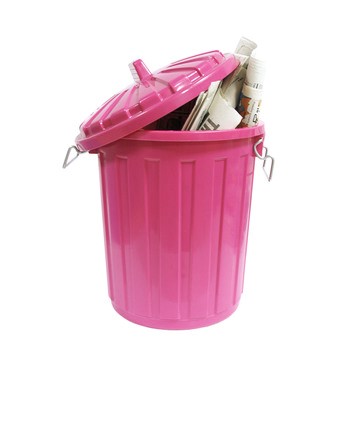
2. After your donation is accepted and you go on your way, your items are taken to a sorting room where volunteers (or staff, but more likely volunteers) check the items’ expiration dates and sort them according to what’s inside. Home canned food or food without a label has to be thrown out, and at some food banks, food that is expired has to be tossed out too, to prevent illness. But other food banks have a last chance bin for items that are just past their expiration date. In that case these are extra items that the patrons are allowed to take from in addition to their regular goods, and they do so with the understanding that the items may not be their best and should be examined before consumption.

ACBC

Photo: ACBC

3. The sorted items are then moved to a shelf in the service area, if they are needed right away, or a storage shelf of like items if it’s something they are well-stocked in at the time.

4. The shelves in the service area are arranged like a grocery store, but instead of prices, the shelves are marked with how many items a client can take. For example, there might be a shelf with many varieties of cereal, and a sign that says, “Family size 1-3, 1 box or bag.” Then the clients can pick the food items their family will actually eat.
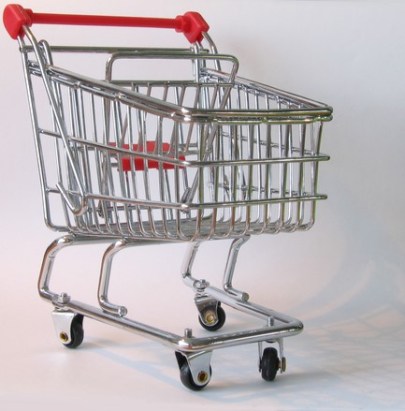
cart.jpg5. When the food bank is open to clients, they arrive and “shop” for the items their family enjoys and will actually eat. At ACBC the clients have to show a photo ID that proves they are residents of the food shelf’s coverage area, but they do not have to provide proof of their financial need. They follow the signs for their family size and collect groceries in a cart just like at a regular grocery store. This “choice model” results in less waste because the families select things that fit their taste and any special dietary needs such as gluten-free, low-sodium, or allergies.

heading home 6. A staff member or volunteer bags the client’s choices and checks to make sure they stayed within the totals allowed for their family size. (Spoiler alert: the checkout total is always $0). Many seniors living on a fixed income rely on the food bank regularly for years, but most food shelf users come only once or twice, to help their family through a temporary setback or lean season.

So that’s your donation’s journey from the time you bring it in to the food shelf until it nourishes a family at dinnertime. Stay tuned next week to see what else I learned from my visit to the ACBC food shelf. I was surprised in many good ways, and I can’t wait to share it with you!

Do you have experience working with a food shelf? Leave a comment and fill us in on what you learned from your time there!