5 Ways to Save Money with Coupons

Couponing

Why don’t people volunteer or give to worthy causes? If I were a betting woman, I would put good money on two answers: they don’t have extra time, and they don’t have extra money. Freeing up space in your schedule takes soul searching and hard decisions, but saving money is much easier!. A few years ago I started couponing, and in the very first month I cut my family’s grocery bill by $150. I’ll admit I’m not always faithful to the couponing, but even a half-hearted effort trims the budget! Imagine what you could do with an extra $150 a month – pay off debt, make some nice donations, or double up by using your savings skills and your extra funds to provide more food to your local food bank! Here are five tips that will help you get started saving money with coupons.

  1. Know the sales cycles – Grocery store sales tend to cycle about every six weeks, so if cereal is on sale this week, don’t wait until next week to pick some up. In fact, pick up as much as you can to tide yourself over until the next time it goes on sale.
  2. Shop the seasons – Produce, of course, is always cheapest in season, but other groceries have a season as well. Diet foods go on sale in January to try and grab the business of the New Years resolutioners. Pizza and cocktail wieners go on sale right before the Super Bowl. Ham is on sale at Easter, and turkeys at Thanksgiving. Barbeque supplies go on sale right before the summer holidays of Memorial Day, the 4th of July, and Labor Day. Basically, if there is a seasonal or holiday reason for something to be in demand, stores will compete to get your business.
  3. Combine coupons with store sales – My biggest tip for saving money on groceries is to start at Pocket Your Dollars. PYD is a blog devoted to helping you save money, and her resources are free. The main thing I use PYD for is the weekly listings of store sales and coupons that can be combined to make the sale price even better – some things even end up being free. The stores covered by PYD are based on the Minneapolis/St. Paul market, but some of them are national or regional chains. If your favorite store isn’t on the list, dig around online for someone near you blogging about coupon matchups, or use Pocket Your Dollars’ coupon database to look for available coupons that match the advertised sales.
  4. Learn the store policies – If you’re going to get into couponing, you need to know each store’s policies about coupons. Sometimes you’ll find a store that won’t take printed coupons off websites. Others accept expired coupons, offer double coupon promotions, or allow you to use both a store coupon and a manufacturer’s coupon for the same item. Visit the website of your favorite store(s) and print a copy of their coupon policies. If you carry the policy in a couponing binder or in your purse, you’ll be able to defend yourself against rookie cashiers.
  5. Plan your shopping and your meals will follow – One huge resource waster is failure to plan. If you don’t plan out your family’s meals for the week, you’ll end up making a lot of last minute convenience purchases on your way home from work. And the more times you stop at the store, the more you’ll spend just grabbing a little of whatever looks good when you’re hungry and tired at the end of the day. Likewise, if you start the week by planning your meals and THEN your shopping, you’ll be at the mercy of the stores and what they want to charge this week. Instead, start by planning your shopping. Check the sales, match up the coupons, and stock up on the deals. Then you can plan your family’s meals based on what you have in the house or can get on sale this week. Add some seasonal fruits and veggies and a gallon of milk, and you’re all set for the week.

Here’s my system: I have a portable file box with a folder for each month of the year. When the Sunday paper comes (we ONLY get the paper on Sunday, and pretty much just for the coupons), I file them by month. All You magazine is another great source of coupons, though I’ve let that subscription lapse lately. Then on Sunday afternoon or Monday I check out the weekly sales and coupon matchups on the Pocket Your Dollars site. I print the printable coupons, find and clip the newspaper coupons, and attach them to my shopping list with a paperclip. Now, here in MN we have Aldi stores, and I understand some of the rest of the country does too. I use my coupons to get the best deals at my local grocery store (Cub Foods), as well as Target, Walgreens, and CVS. Then I go to Aldi for produce, milk, and other things my family just wants. Like I said before, I’m not as strict about the couponing as I used to be. I blame my teenage son. Feeding him is like throwing things down a bottomless hole. No matter how much food I throw at him, it never seems to fill him up! I end up buying a lot of cereal, popcorn, ice cream, and snack foods for him, even when they’re not on sale.

Even if you only adopt a portion of these suggestions, you will still trim away your family’s monthly grocery expenses.

Do you have savings tips or additional ideas? Leave a comment and help us all stretch our dollars!
The Power of Prayer

Power of Prayer

A “funny” de-motivational type post I found on the internet: “Prayer: How to do nothing and feel like you’re helping.” Statements like that make me sad, because they expose a fundamental misunderstanding, and also because they contain a grain of truth.
I know that when faced with the problems of friends or family members we have all said, “I’ll pray for you,” and then promptly forgot. I know that praying for someone does not directly fill their empty stomach or physically relieve them of their burdens. But prayer is NOT “nothing.”

1. Prayer Changes ME: When I pray for others, it raises my awareness of the needs around me. It also changes my attitude. This is why we are to pray for our enemies. Prayer softens my heart and protects me from becoming bitter. But praying for our enemies is HARD! I know I’m supposed to, but we’re enemies for a reason, so I’m always tempted to pray little prayers. “God, I’m praying for my enemy because you told me to. So, um, don’t let them get hit by a bus. A car though, no, that’s still too much. A bicycle, maybe, they deserve that much…” I’m pretty sure that’s not what God had in mind. It’s like asking your child to go get your spouse and instead of getting up and doing what you asked, they just start yelling. I can yell, child, I wanted you to get up and go get him so this house can remain quiet and pleasant. We are called to pray for our enemies, to pray instead of worrying, to pray because it corrects our mindset to be more Godly. Philippians 4:6-7 says, “Do not be anxious about anything, but in every situation, by prayer and petition, with thanksgiving, present your requests to God. And the peace of God, which transcends all understanding, will guard your hearts and your minds in Christ Jesus.” Prayer replaces worry with peace. Prayer replaces bitterness with understanding.

2. Prayer is a Tool that God uses to Reveal Himself to us: Growing up in the church, I heard countless stories of people waking in the middle of the night or being struck in the middle of the day with a sudden urge to pray for a particular individual, only to find out later that the individual they were praying for had endured danger or trials at that exact time. Why does the all-powerful, all-knowing God need me to pray? If he woke me up, clearly he’s already aware of the situation, right? I don’t think that God NEEDS our prayers in order to act on behalf of our loved ones. But he longs to communicate with us. And if He prompts us to communicate with Him and we find out later that there was a real need or an answer to our prayers, our faith is bolstered and we are drawn closer to the God who loves us and wants to communicate with us.

3. Prayer is an investment of time: Not everyone has the financial means or physical ability to serve as a missionary or to feed the hungry. Are nursing home-bound seniors on a fixed income worthless to God? Of course not! Prayer creates solidarity and a feeling of being fully vested in ministry. It is an investment with great value! Prayer does not excuse the capable from physically and financially serving those in need, but it allows us to be mindful and supportive of the efforts of others. Matthew 9:38 commands us, “Ask the Lord of the harvest, therefore, to send out workers into his harvest field.” If you’re aware of a need in this world that you can’t meet yourself, you are commanded to pray and ask God to provide workers who can.

Prayer does not replace helping others, it supplements it. Jesus went off into the wilderness to pray in preparation for his ministry, and he prayed throughout his time on Earth. But he also healed the sick and fed the five thousand. He had regular, intentional times of communicating with his Father and, fueled by that, he then got up and served, loved, and gave of himself. We are commanded to do the same.
James 2:14-18: “What good is it, my brothers and sisters, if someone claims to have faith but has no deeds? Can such faith save them? Suppose a brother or a sister is without clothes and daily food. If one of you says to them, “Go in peace; keep warm and well fed,” but does nothing about their physical needs, what good is it? In the same way, faith by itself, if it is not accompanied by action, is dead. But someone will say, “You have faith; I have deeds.” Show me your faith without deeds, and I will show you my faith by my deeds.”

I love stories of answered prayers. Share yours in the comments!

Bonus: Inspirational Printable on Prayer

Prayer Printable

Meals on Wheels 101 and Service Opportunity

Meals on Wheels

In 2010 there were 57 million senior citizens (defined as over the age of 65) in America. That number is expected to double to 112 million seniors in 2050. This explosive growth is because 10,000 baby boomers turn 65 every day, and American life expectancy is at an all-time high. Seniors are the fastest growing population segment in America.

As seniors age, many struggle to remain independent. Expenses grow faster than their fixed retirement income and Social Security cost of living increases can keep up. Physical problems make it hard to get around. Social isolation, especially in rural areas, may mean that no one checks on their health and safety for weeks at a time. Senior citizens have to fall back on Medicare/Medicaid more heavily when their physical and/or social limitations lead to longer hospital stays after treatments, or earlier nursing home moves.

The solution is really quite simple. Someone needs to check on seniors who live alone, and help them get groceries and prepare a hot meal. Of course in most situations the family takes care of these needs, but what about seniors who have no family, or those who live far from their loved ones?

That is the idea behind Meals on Wheels (MOW). Meals on Wheels is a 501(c)3 non-profit organization that has provided hot meals and check-ins to seniors who are poor, physically disabled, or socially isolated since their first meal delivery in Philadelphia back in 1954. They claim to save tax money by allowing seniors to be safely independent for a longer time.

Funding for MOW is a public-private partnership. There is some tax money designated to feed seniors in need, but much of their income comes from corporate and private donations of money and food, and most of their work is done by volunteers. Meals on Wheels America is the national organization. They oversee more than 5,000 community-based MOW operations around the country. Nationwide, those local chapters deliver more than a million meals a day, and more than 2 million volunteers work with them preparing food, delivering meals, serving (MOW dinners are served at some senior centers as well as home delivery), doing office work, helping at events, and conducting safety checks.

The time commitment for volunteers and the skills needed vary from job to job. To find out what kind of help is needed in your area, or to put yourself or a loved one on the list to receive Meals on Wheels, contact your local MOW chapter (Find it HERE).

Sources:
Meals on Wheels has faced some budget cuts in recent years. This CNN Article from 2013 was helpful in my research and covers the topic of their funding issues.

The Better Business Bureau has rated the national MOW organization. See that review HERE.
Charity Navigator has reviewed the local MOW chapters. Visit their site to search for your local chapter.

The national Meals on Wheels website has tons of great resources for seniors and their families.

Have you or a loved one experienced Meals on Wheels? Share your story in the comments!

Fresh Paper: Food Revolution?

Fresh Paper

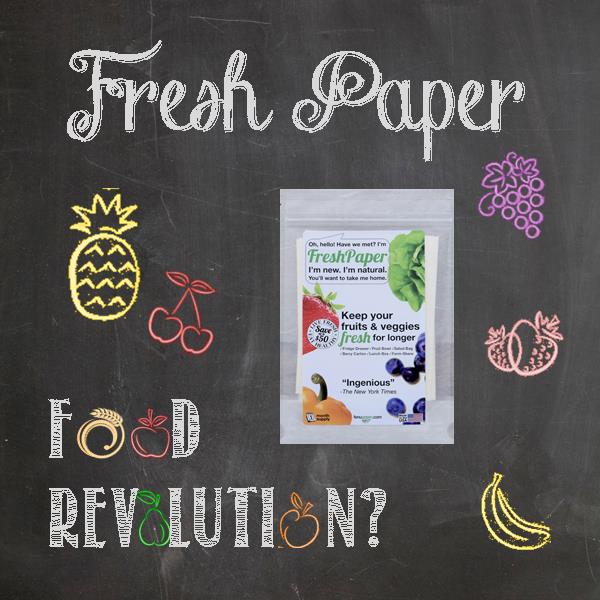
A couple weeks ago I saw this video on Facebook for a product called Fresh Paper. The video suggested that this product was a powerful new tool in the battle against hunger, because it would give fresh fruits and veggies a longer shelf life. I found Fresh Paper on Amazon, 8 sheets for $8.89 (That’s about $1.11/sheet), and conducted a couple of experiments with the product. I would like to point out that I was not asked to do this review by the manufacturer and I was not given anything, including free product, to write this. I just found the possibilities of an all-natural produce saver intriguing and so I ran my own experiment.

First, I went shopping for groceries on March 25, and I picked up a bag of butter lettuce, a box of organic baby spinach, baby carrots, broccoli, cauliflower, a box of strawberries, and a box of blueberries.

20150326_120051

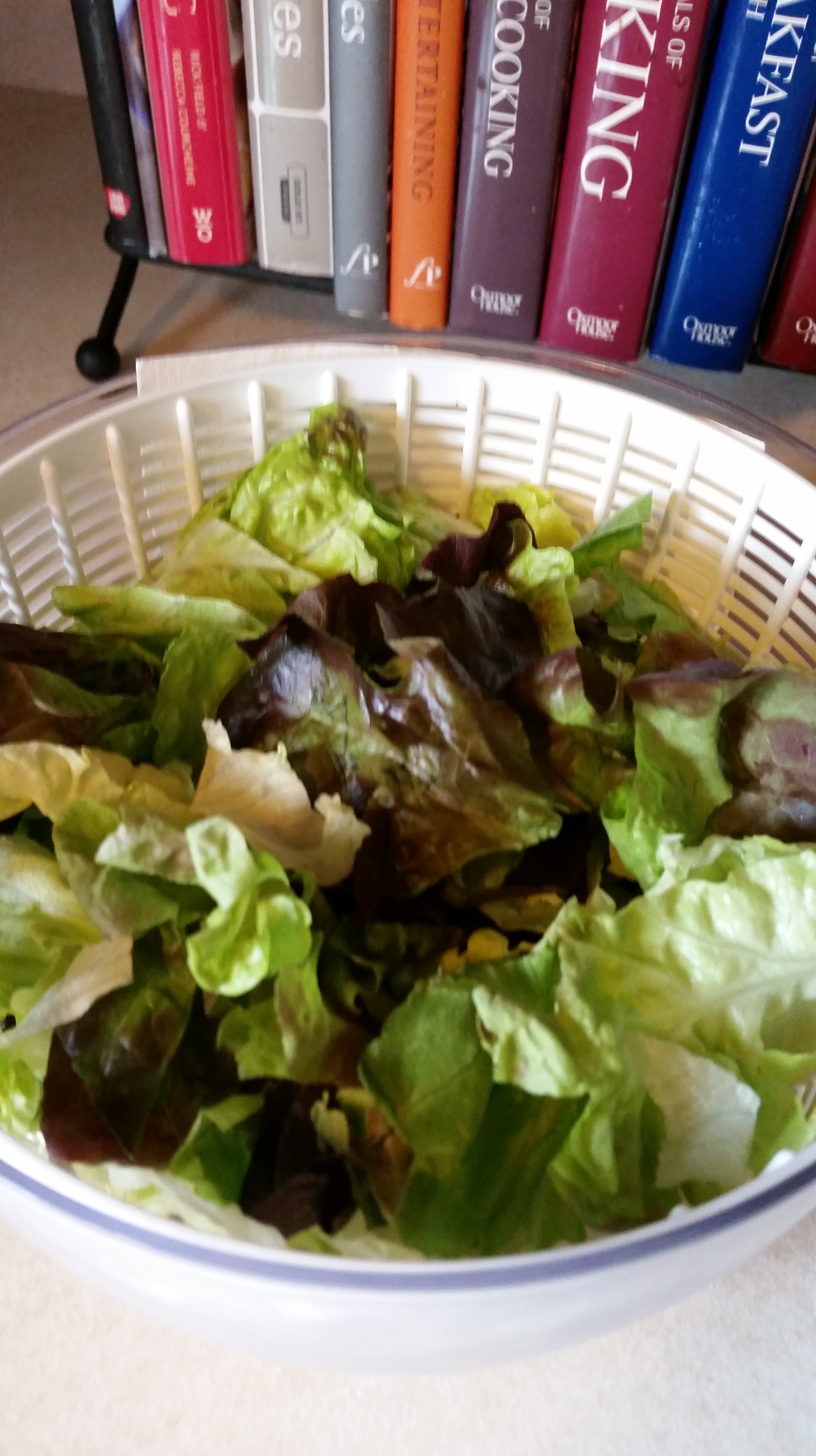
I washed the butter lettuce in my salad spinner, spun it dry, and tucked a sheet of Fresh Paper between the two parts of the salad spinner.

20150325_174834_resized

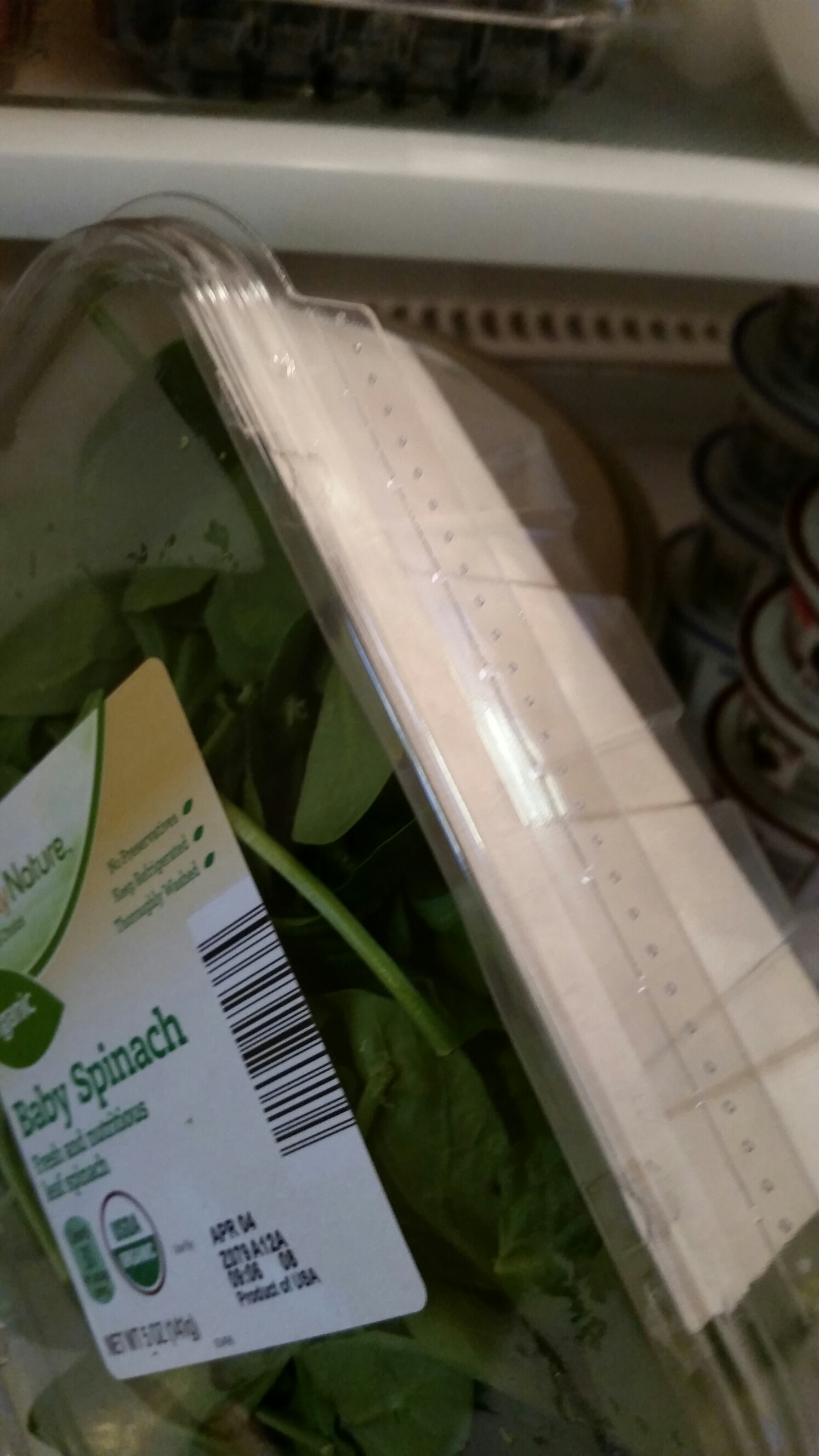
With the spinach I left it as is and just tucked a sheet of Fresh Paper into the box with the greens.

20150325_174739_resized

The hard veggies (baby carrots, broccoli, and cauliflower) I cut into bite sized chunks, rinsed, and put them into my plastic chip and dip storage container. I laid the sheet of Fresh Paper on top, right in the middle. (As you can see in the picture, I wrote on the Fresh Paper sheets so my family wouldn’t throw them away)

20150325_174728_resized

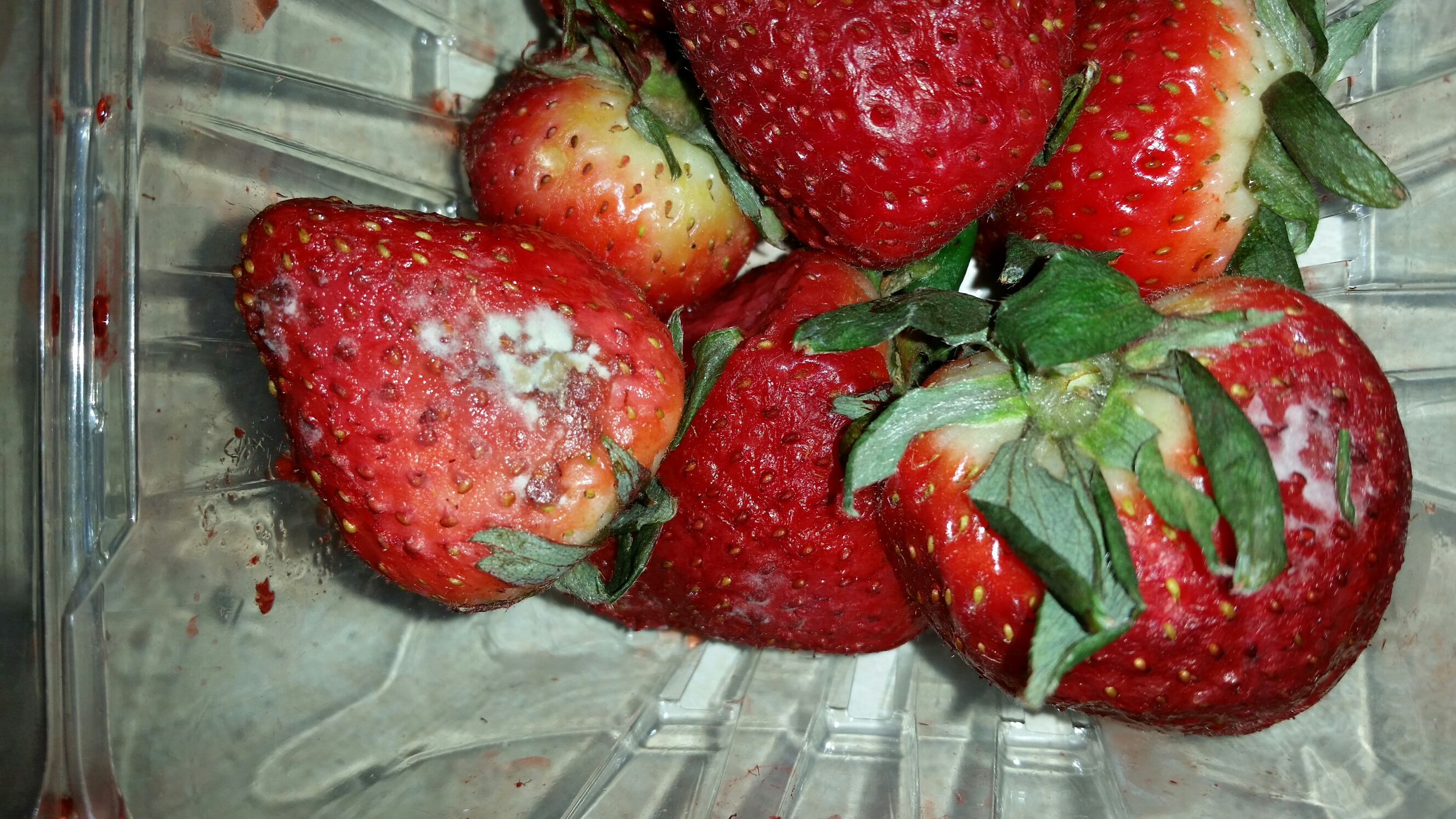
For the berries, I set a sheet of Fresh Paper on the shelf in my fridge and put the berry boxes right on top of the Fresh Paper. Those plastic berry boxes are full of holes, and that’s what it looked like the Fresh Paper package was suggesting. I noted at the time that the strawberries were pretty dark red already and looked like they would age quickly.

For a week I peeked at and photographed the veggies and berries every day, taking notes on how they were aging.
The Fresh paper looks like thick pieces of note sized white paper. They are made entirely from a blend of herbs and spices, and they smell a lot like maple syrup. The package says each sheet lasts two weeks, and you can tell when it’s no longer working because the maple smell goes away.

I had two questions for my experiment:
1. Does the Fresh Paper work – will it make my fruits and vegetables stay fresher and last longer?
2. After reading the package and looking at the product I also wondered if the maple scent of the papers would change the flavor of my produce.

Results:
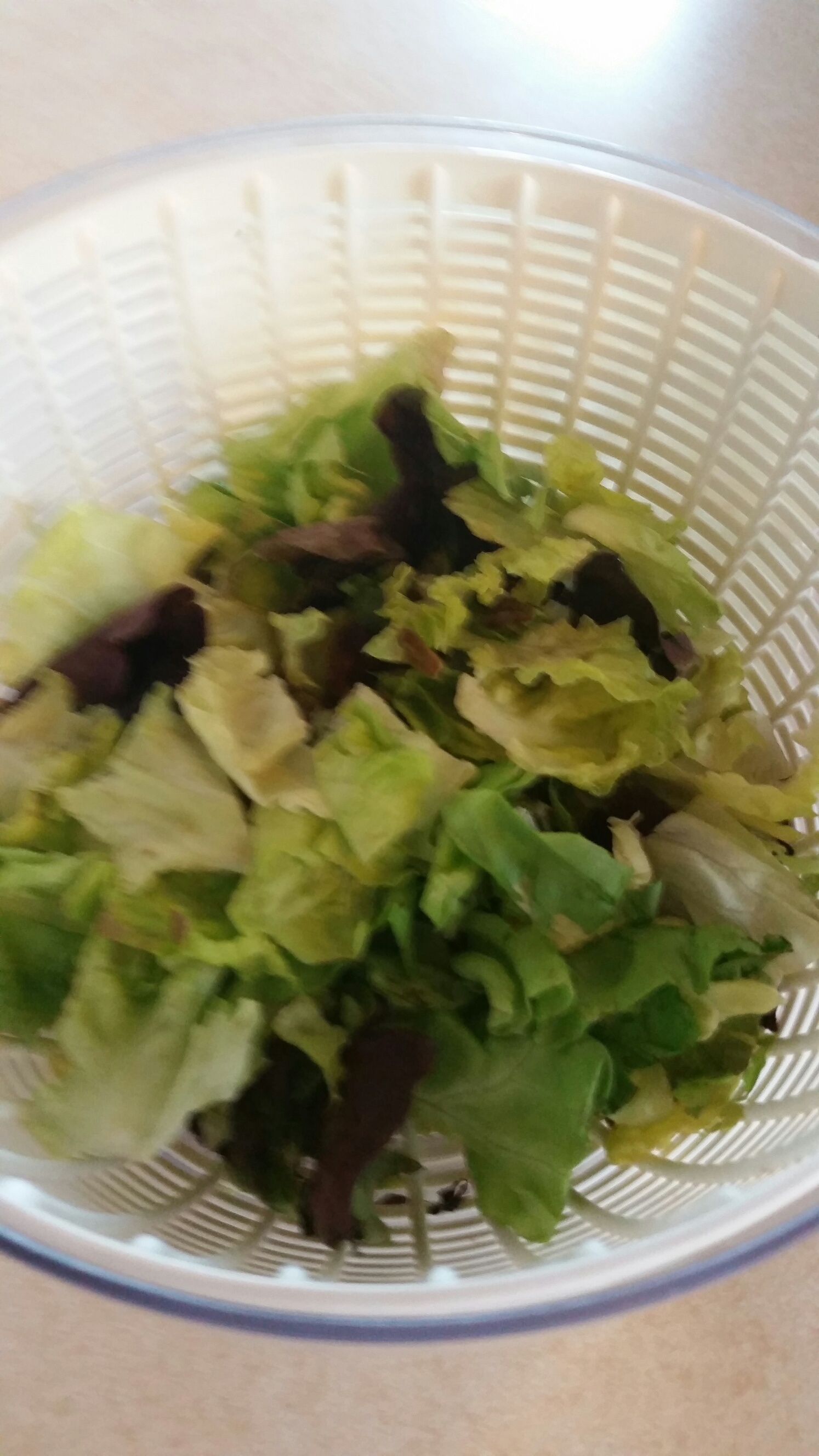
20150401_173552_resized 20150408_131100_resizedThe butter lettuce and baby spinach: This was amazing. Usually I can’t go through a whole package of greens before they get wilted and I’m throwing out bad pieces and picking for good ones. This time I had two packages of greens, and both were still in good condition after two weeks. They never began to smell like rot, though I did find just a few leaves that had turned as the weeks progressed. Inside both containers I could smell the maple of the Fresh Paper, but it had no effect on the flavor of the greens. Organic greens are expensive, so I was very satisfied with these results.

The hard veggies: The carrots, broccoli, and cauliflower don’t age nearly as fast as salad greens or berries, so I couldn’t really tell if the Fresh Paper helped or not. At the end of two weeks I chopped up what was left for soup, though it was still in good enough condition to eat raw. In the future I won’t waste a sheet of Fresh Paper on hard veggies because they just don’t age faster than I eat them.

The berries:
20150330_122939_resized– Blueberries don’t age very quickly, and when they do, they go the direction of drying out, not rotting, so the Fresh Paper didn’t have a lot to offer the blueberries. The best way to deal with they is by removing them from the hole-filled plastic clamshell container they come in, and putting them in something that will protect them from drying out.
– The strawberries were a different deal entirely. I mentioned that I thought they were pretty ripe when I bought the package, and I was right. By day three I removed one strawberry because it was starting to grow mold. By day five I noted “Strawberries aging visibly.” On day six, “Strawberries look bad.” On day seven I performed a salvage operation where I threw away the worst berries, cut away all of the bruising, mold, etc. and washed the cut berries in water with a touch of vinegar and just ate them.

I decided that the berries needed a new/different experiment, so I kept the empty berry container and bought two new boxes of berries (on sale!) that were in much better shape than the first set I worked with. I dumped all the berries into a big bowl and carefully selected three sets of five berries that were all close in size, color, and appearance of quality. One berry quintet was put back into one of the plastic boxes as-is. One set was put into a plastic box with a sheet of Fresh Paper (tucked right inside the box this time). For the third set I tried something I saw on Pinterest, and washed the berries in a solution of water and vinegar and then gently let them dry on a bed of paper towels. Those went into the third plastic bin. The three plastic boxes of berries were stored on the top shelf in my fridge, and I checked on them every day. The berries not used in the experiment were put into a Tupperware bowl with the lid sitting loosely on top, and we ate those berries during the week of the experiment.

What do you think happened? Which group of berries aged best? I expected the as-is berries to fare the worst and start aging first, but they did not. It was actually the vinegar water berries that started visibly aging first. Where my son and I pick berries every summer, they tell us not to wash the berries until we’re ready to use them, and it looks like they’re right. The Fresh Paper and as-is berries caught up, though, and at the end of the week the three sets of experiment berries all looked exactly the same. No benefit to any of those processes. The berries in the Tupperware bowl still looked pretty good. They weren’t part of the experiment but I was shocked to be able to keep enjoying that group while I watched the others rot away. So it seems that the strawberries are not unlike the blueberries. Both are picked before they are ready to be eaten, and they ripen during transport (and/or by spraying them with chemicals that make them ripen, but that’s a whole different blog post). Those berry boxes are designed to aid ripening/aging. Leaving your berries in the boxes is inviting them to continue aging. 20150411_074406_resized

In the case of berries, skip the Fresh Paper and just transfer them to a container that is less porous.

Conclusion: Fresh Paper is pretty neat, it does work on some produce, and it didn’t affect the flavor of my veggies or berries. I will buy it again, but I won’t waste sheets of it on hard veggies that age slowly or on berries that seem to age quickly no matter what. I didn’t see enough benefit in those situations to use a $1.11 sheet, and we generally eat those things before they go bad anyway. I think next time I buy bananas I will put a sheet under the bunch and see if I can keep them from aging too fast, because they also go bad before we can finish them.
Any other fruits and veggies you want me to test with the Fresh Paper? How might this all-natural solution affect the world’s hungry? Let’s discuss that in the comments!

A Roast of Developed World Culture – First World Problems

First World Problems

We know just how blessed, lucky, and fortunate we are here in the developed world. Very real problems exist everywhere (even here!), but in general the things we worry about are a lot more trivial than the life threatening wars, disease, and food/water scarcity faced by other parts of the world. When our eyes are fixed on the things going on close to home in this very brief moment, it’s easy to lose that global perspective and fixate on the little inconveniences that irritate us. The poor majority of the world can only dream of the kind of decadent, wasteful extravagance we complain about. So today I thought it would be fun to laugh at ourselves – a roast of first world culture. We recognize our imperfections, so we can laugh at ourselves! Laughter may actually be the best medicine when it comes to curing our lazy and entitled tendencies.

Who better to serve as “roast master” than Weird Al? He makes laughing at modern culture an art form, and of course that includes our so-called first world problems.

Isn’t that funny? Of course it’s over the top, but that’s part of the fun. Even spoiled Americans don’t usually have a gardener, take hour long showers, or throw fits because the fridge is too full, but the exaggeration comes from a true place (ouch), and it’s a fun video.

I did some digging around on Pinterest (all hail Pinterest, keeper of all over-the-top ideas!), and came across these first world problems…

– My hand is too fat to reach the bottom of the Pringles can
– My sandwich is too full of meat and cheese to fit in my mouth
– My shampoo and conditioner never run out at the same time (Same with chips and dip, or hotdogs and buns. Why don’t they match up?)
– My grocery cart wobbles and pulls to one side
– I tried to spread cold butter and my bread ripped
– My snack is too crunchy; I can’t hear the TV
– My bananas are ripening too fast (The struggle is real, people. Organic fruit is expensive. I mean, I guess I could actually buy smaller bunches, but then I would have to shop again too soon. Woe is me…)
– I’m trying to text at red lights but I keep hitting them all green
– My battery is low, but the charger is way over there
– Starbucks doesn’t deliver and pumpkin lattes are only available seasonally
– My Raisin Bran had too many raisins this morning
– There is no food in the kitchen, just ingredients to make food
– I had to park in the back and walk in to the gym (Seriously. I’ve seen this MANY times. If you’re not toting babies or dealing with bad weather, why are you driving around for a better spot so you can go in and walk/run inside???)

And my personal favorite, “If God Loves Me, Why Can’t I Get My Locker Open?” – that’s an ACTUAL book title. I checked Amazon; you can buy it (it’s a teen devotional). The reviews are hilarious (Click HERE for funny reviews).

I hope you enjoyed a giggle or two that will remind you to check your perspective next time you feel frustrated about something dumb. There are a ton of funny “first world problems” jokes/memes out there – leave your favorite in the comments!